



Printing Methods

Offset Print
Offset printing delivers top-tier print quality with sharp details and precise color accuracy. Known for its rich color depth and advanced finishing options, it's the preferred choice for retail and high-end packaging.
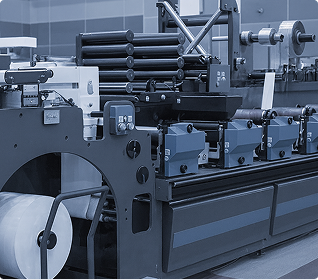
Flexography Print
Flexography is a high-efficiency and adaptable printing method known for its speed, consistency, and reliability. Using fast-drying inks, it enables quick production without compromising color accuracy or print quality. This makes flexographic printing especially well suited for food packaging, labels, and high-volume packaging applications.
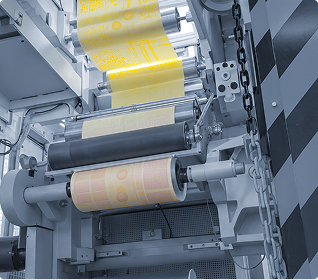
Gravure Print
Known for its exceptional print quality and speed, gravure printing is widely used for both paper and plastic packaging. It is especially suited for large-volume production runs, delivering consistent, high-resolution results faster than many alternative printing methods.
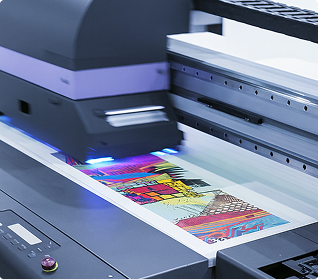
Digital Print
Digital printing applies artwork directly from digital files onto various packaging materials, eliminating the need for plates. This makes it a fast, flexible, and budget-friendly option, especially for short runs or quick turnarounds.
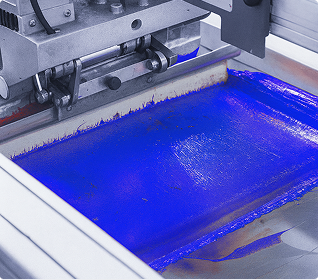
Silk Screen Print
Widely used for applying graphics and labels across a variety of packaging formats, screen (silk) printing is favored for its bold, consistent results and broad material compatibility.
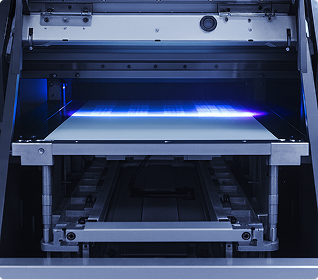
UV Print
UV printing uses ultraviolet light to instantly cure inks, making it a popular choice for retail and premium packaging. This process creates a smooth, glossy finish that elevates the overall look and perceived value of the packaging.

Laser Engraving
Laser engraving is a highly durable finishing method that uses concentrated heat to etch designs directly into the material. This process creates a natural contrast in color and texture, making logos, brand names, and key design details stand out with precision. Because the engraved surface is extremely resistant to wear, laser engraving is especially well suited for packaging that needs to withstand handling and transit.
Ink Types
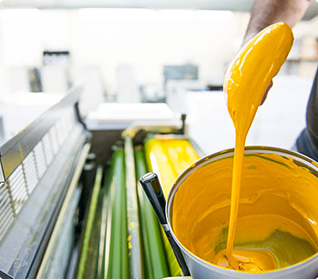
Water-based Inks
Water-based inks are made from a simple blend of water and pigment, offering a highly effective and environmentally responsible printing solution. Commonly used for clean, corrugated packaging, these inks provide excellent surface tension, allowing for clean, consistent print results while supporting sustainable production practices.
'%3e%3cpath%20d='M0.318704%2018.5104L5.00954%2010.3866L3.63686%209.59362L7.28009%208.03748L7.75411%2011.9707L6.38163%2011.1781L1.69119%2019.302C1.54759%2019.5453%201.5464%2019.8472%201.68801%2020.0917C1.82506%2020.341%202.08806%2020.4947%202.37247%2020.4918H7.47347V22.1165L2.36236%2022.0779C1.51546%2022.0723%200.735408%2021.6167%200.314539%2020.8819C-0.106329%2020.1469%20-0.104742%2019.2436%200.318704%2018.5104Z'%20fill='white'/%3e%3cpath%20d='M21.5594%2022.1165H11.9409V23.7413L8.69141%2021.3041L11.9409%2018.867V20.4917H21.5594C21.8492%2020.4943%2022.1177%2020.3406%2022.2621%2020.0895C22.4133%2019.8402%2022.4147%2019.528%2022.2663%2019.2771L19.4428%2014.387L20.8857%2013.554L23.6798%2018.4729C24.1098%2019.2277%2024.1055%2020.1544%2023.6687%2020.9051C23.2318%2021.656%2022.4281%2022.1175%2021.5594%2022.1165Z'%20fill='white'/%3e%3cpath%20d='M13.9717%201.53018L18.6619%209.65401L20.0344%208.86166L19.5604%2012.7947L15.9173%2011.2385L17.2898%2010.4466L12.5992%202.32273C12.4601%202.07659%2012.1993%201.92467%2011.9167%201.92506C11.6325%201.91931%2011.3681%202.07025%2011.2287%202.31777L8.4734%207.08735L7.06641%206.27496L9.85858%201.5159C10.2866%200.784634%2011.0716%200.336395%2011.9191%200.33937C12.7666%200.342147%2013.5486%200.795939%2013.9717%201.53018Z'%20fill='white'/%3e%3c/g%3e%3cdefs%3e%3cclipPath%20id='clip0_3967_80436'%3e%3crect%20width='24'%20height='24'%20fill='white'/%3e%3c/clipPath%3e%3c/defs%3e%3c/svg%3e) Recyclable
Recyclable Biodegradable Material

Soy/Vegetable Based Inks
Soy-based inks use a combination of soybean oil and pigments as an alternative to traditional petroleum-based inks. This formulation delivers rich, accurate colors while supporting more sustainable and food-safe printing applications.
RecyclableBiodegradable Material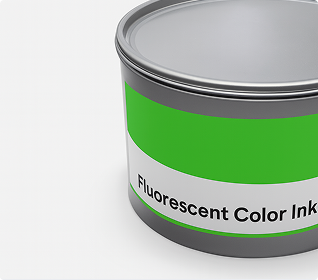
Fluorescent Color Inks
Fluorescent inks are known for their exceptional brightness and opacity, as they absorb and re-emit light to create eye-catching results. They're ideal for making bold designs stand out on packaging materials like folding cartons, paper bags, and mailers.
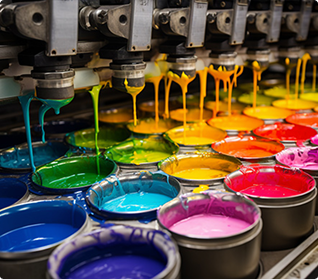
Oil Based Inks
Oil-based inks are formulated using components such as soy, vegetable, or mineral oils combined with hydrocarbons and pigments. This blend delivers rich, consistent color results that align closely with brand specifications.
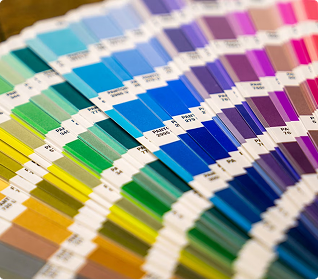
Pantone
Pantone is a standardized color matching system identified by unique names and numbers, enabling brands to reproduce the same colors accurately across different materials and manufacturers. It ensures color consistency from digital designs to physical samples.
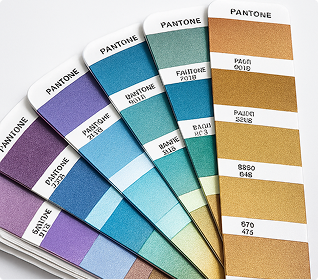
Pantone Metallic
Pantone Metallic is a specialized Pantone color range designed to replicate metallic finishes with precision. It allows brands to achieve consistent metallic tones across print and packaging, staying true to both physical samples and digital designs.